Your First 30 Minutes After a Lexington Flash Flood
When a flash flood hits Lexington, the rain can overwhelm storm drains and send water streaming toward your foundation before you even realize what is happening. The first thing to do is safe and simple: stay out of standing water in the basement. Water and electricity are a dangerous combination, so if your breaker box or any outlets are near the water, do not wade in. Shut off power from a dry location if you can do so safely, and call an electrician if you are unsure.
Once the power is handled, grab a flashlight and take a slow walk around the perimeter of your basement. Look for water along the base of the walls, near floor drains, and around the furnace or water heater. In many Lexington homes, the first sign of a Basement Waterproofing problem is not a deep pool but a thin sheet of water creeping across the floor. Note where it is coming from, because that detail tells a waterproofing professional exactly which system your home needs.
Check for Water, Cracks, and That Musty Smell
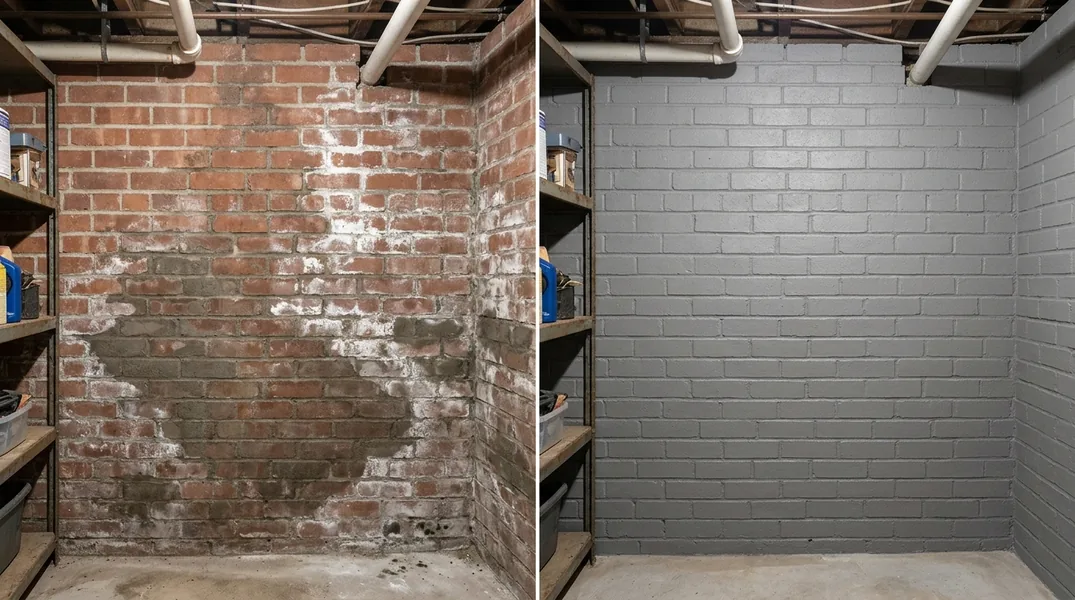
After the water recedes, the real inspection begins. Walk the walls and look for new cracks in the concrete block or poured foundation. Flash floods put sudden pressure on foundation walls, and hairline cracks that were harmless last week can open up and start weeping. Pay attention to the cove joint, where the floor meets the wall, because that is where hydrostatic pressure most often forces water through. If you see white powdery residue on the walls, that is efflorescence, a sign that moisture has been moving through the concrete.
Smell matters too. A musty, earthy odor is a strong indicator that water has been sitting in the block or behind the drywall long enough for mold to start. In Lexington, where clay-heavy soil holds moisture against foundations, that smell often returns every time it rains. If your basement has that damp feeling after every storm, it is worth getting a professional opinion before the next flash flood arrives. You can request a free estimate and have someone look at the actual source of the water rather than guessing.
Why Town Branch Flooding Hits Some Neighborhoods Harder
Town Branch flooding is a familiar headache for homeowners near downtown and the neighborhoods that sit along the creek's path. When heavy rain falls faster than the storm sewer system can carry it away, water backs up and finds the lowest point, which is often a basement. Homes in these areas may see water come up through floor drains or seep in at the base of the walls even when there is no visible flooding in the yard. That is a sign the groundwater table is rising under the house, not just surface water running downhill.
This is where an Interior Drain Tile System earns its keep. It captures water at the cove joint and under the floor and routes it to a sump pump instead of letting it pool on your floor. For homes with persistent seepage through the walls, Exterior Basement Waterproofing can address the problem from the outside by improving drainage and sealing the foundation. The right choice depends on how the water is getting in, which is why an on-site inspection matters more than a generic online answer.
Flooded Basement Cleanup: What to Do Before the Pros Arrive
Flooded basement cleanup should start with removing standing water and getting air moving. Use a wet/dry shop vac or a pump for shallow water, and set up fans and a dehumidifier once the power is safe to restore. Pull up wet rugs, cardboard boxes, and anything porous that can hold moisture. Mold can begin to grow within 24 to 48 hours in a damp basement, so speed matters. Do not stack wet items against the walls, because that traps moisture and makes the problem worse.
As you clean, document what you find. Take photos of water lines on the walls, cracked concrete, and damaged belongings. That record helps with insurance claims and gives your waterproofing contractor a clear picture of how high the water got. If your basement has finished walls or carpet, be cautious about hidden moisture behind them. A moisture meter is inexpensive and can tell you whether the drywall is actually dry. When in doubt, call Lexington Waterproofing at (859) 710-8035 and let a professional assess the damage before you rebuild.
Flood Prevention Starts Before the Next Storm
Flood prevention is mostly about moving water away from the house before it reaches the foundation. Check that your gutters are clear and that downspouts discharge several feet away from the walls, not right at the corner of the foundation. Look at the grading around the home: the soil should slope away from the house, not toward it. In older Lexington neighborhoods, settling soil often creates a low spot against the foundation that collects water during every heavy rain. Something as simple as regrading can make a real difference.
For homes that have already taken on water, Foundation Waterproofing addresses the source rather than the symptom. That may include sealing cracks, installing drainage, or improving how water is managed around the foundation. If you are comparing options, ask for clear pricing and a written explanation of what each system does. Homeowners in nearby Georgetown and Nicholasville face similar soil and storm patterns, so the same advice applies across the region.
Basement Waterproofing Near Me: When to Call a Pro
If your basement has flooded once, it will likely flood again. That is the hard truth about flash floods in central Kentucky: the conditions that caused the water to enter have not changed, and the next storm will test the same weak points. Calling a professional is not an admission of defeat. It is the fastest way to stop repeating the same cleanup every few months. A trained inspector can identify whether the water is coming through the walls, the floor, or the cove joint, and recommend a solution that fits your home and budget.
Lexington Waterproofing serves homeowners throughout Lexington and the surrounding communities, including Versailles. If you are searching for basement waterproofing near me after a storm, start with a conversation about what you saw during the flood. Call (859) 710-8035 or visit the website to schedule a free estimate. The sooner you address the source, the less likely you are to spend another weekend hauling wet boxes out of the basement.
Looking for a professional basement waterproofing contractor in Lexington? Lexington Waterproofing responds fast for all your basement waterproofing needs.
Get a Free QuoteOur services: Basement Waterproofing · Interior Drain Tile System · Exterior Basement Waterproofing